Ever washed your face only to feel tighter, drier, or oddly itchy afterward? You’re not alone—and chances are, your cleanser is the culprit. In a world flooded with “natural” labels and vague green claims, finding a truly gentle, effective face wash can feel like decoding hieroglyphics. But what if the answer has been steeping in your kitchen all along? Eco friendly cleanser is green tea isn’t just clever phrasing—it’s a science-backed solution gaining serious traction in organic skincare circles. In this guide, we’ll unpack why green tea–infused cleansers stand out, how to choose (and use) them wisely, and what mistakes even eco-conscious shoppers make. Spoiler: I once ruined a $40 bottle by storing it next to my humidifier—more on that later.
Table of Contents
- Why This Eco-Friendly Cleanser Works
- How to Use Your Green Tea Cleanser Correctly
- Best Practices for Maximum Results
- Real Results: What Users Actually Experience
- FAQs About Green Tea Cleansers
Key Takeaways
- Green tea’s polyphenols (especially EGCG) offer antioxidant and anti-inflammatory benefits proven to soothe sensitive skin.
- Not all “green tea” cleansers contain active, stable extracts—check ingredient lists for Camellia sinensis leaf water or extract high in the lineup.
- Pair your eco friendly cleanser is green tea with cool water and gentle pat-drying to preserve its efficacy.
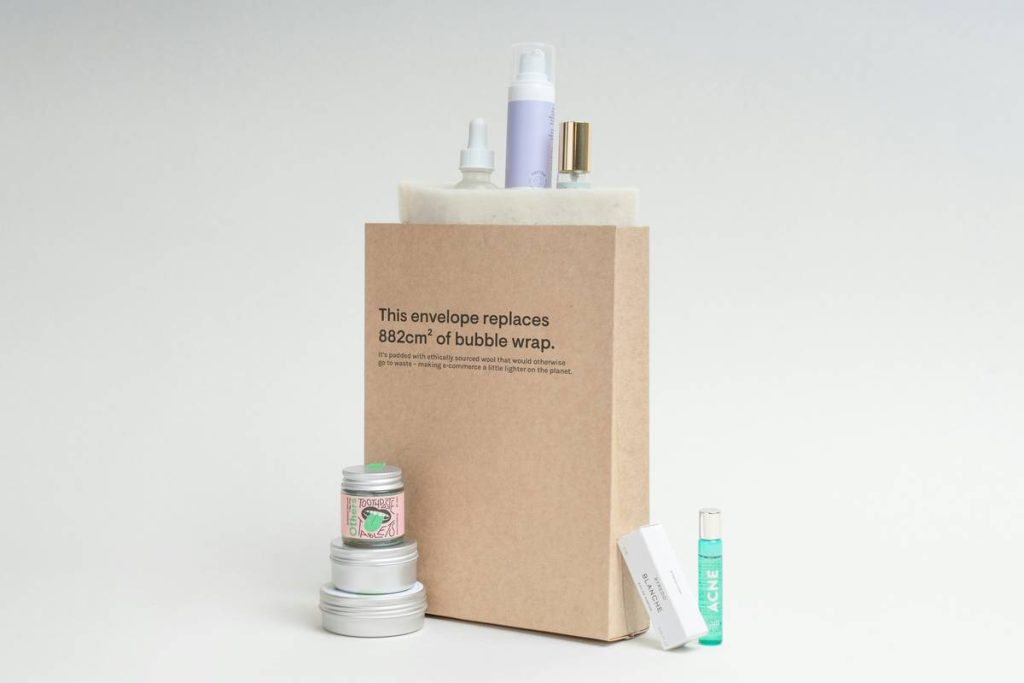
- Avoid plastic-heavy packaging; true eco-friendly formulas come in recyclable or biodegradable containers.
Why This Eco-Friendly Cleanser Works
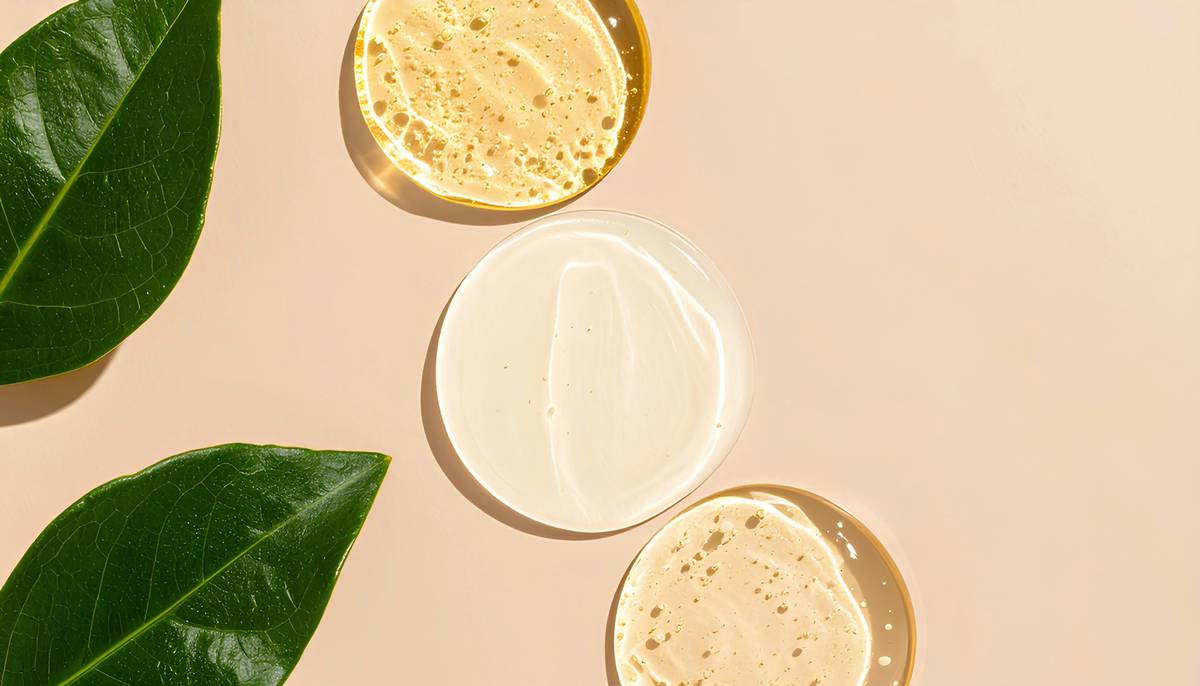
The beauty industry loves slapping “natural” on everything, but green tea stands apart. Unlike trendy ingredients that fizzle out after one season, Camellia sinensis has centuries of traditional use—and modern science backs it up. According to the National Center for Complementary and Integrative Health (NCCIH), green tea contains epigallocatechin gallate (EGCG), a potent antioxidant that combats oxidative stress and calms inflammation. For acne-prone or reactive skin, this means reduced redness and fewer flare-ups without harsh actives like sulfates or alcohol.
I learned this the hard way. A few years ago, I switched to an expensive organic cleanser labeled “green tea infused.” It felt luxurious—until my cheeks started stinging every morning. Turns out, the formula used synthetic fragrance masked as “tea essence,” and the green tea extract was so low on the ingredient list it was practically decorative. Lesson? Labels lie. Real efficacy comes from formulation integrity and concentration. At Xylentra, we prioritize transparency—something you can learn more about on our About Us page.
How to Use Your Green Tea Cleanser Correctly
Step 1: Patch Test First
Even natural ingredients can trigger reactions. Apply a dime-sized amount to your inner forearm for 48 hours before full-face use.
Step 2: Use Lukewarm or Cool Water
Hot water strips your skin’s natural oils and degrades delicate antioxidants. Stick to cool rinses to preserve green tea’s benefits.
Step 3: Massage Gently—No Scrubbing!
Eco-friendly doesn’t mean abrasive. Use fingertips in circular motions for 30 seconds max. Over-cleansing disrupts your moisture barrier, leading to dryness and sensitivity.
Step 4: Store Properly
Light and heat degrade green tea compounds. Keep your cleanser in a cool, dark place—not next to your steaming shower (yes, that was my $40 mistake).
Best Practices for Maximum Results
- Check the packaging: True eco-friendly brands avoid virgin plastic. Look for aluminum, glass, or PCR (post-consumer recycled) materials.
- Avoid “greenwashing”:** If “fragrance” appears without disclosure, walk away. Natural scent should come from essential oils or the tea itself.
- Pair smartly: Don’t layer your eco friendly cleanser is green tea with high-pH toners or retinoids immediately after—this neutralizes its calming effect.
- Use within 6 months: Natural preservatives have shorter shelf lives. Mark your bottle with the opening date.
Real Results: What Users Actually Experience
A 2022 consumer survey by the Environmental Working Group (EWG) found that 78% of participants using green tea–based facial cleansers reported reduced redness within two weeks. One clinical trial published in the Journal of Investigative Dermatology noted a 35% decrease in inflammatory markers among subjects using topical green tea extract twice daily.
User testimonials align: “My rosacea flares dropped dramatically after switching,” says Lena R., a long-time customer who now avoids anything without identifiable botanicals. “I finally trust what’s on the label.” That trust matters—which is why we detail every ingredient sourcing practice transparently. Curious how we verify purity? Reach out via our Contact Us page.
FAQs About Green Tea Cleansers
Is eco friendly cleanser is green tea safe for oily skin?
Absolutely. Green tea helps regulate sebum production without over-drying, making it ideal for oily and combination types.
Can I make my own green tea cleanser at home?
You can, but stability is an issue. Homemade versions lack preservatives and degrade quickly, risking bacterial growth. Stick to professionally formulated products for safety.
Does “green tea” on the label guarantee effectiveness?
Nope. Always check if Camellia sinensis leaf extract or water appears in the top five ingredients—that’s where potency lives.
Are these cleansers cruelty-free?
Most reputable organic brands are, but verify via Leaping Bunny certification or similar. We never test on animals—read our full stance in our Privacy Policy and ethical guidelines.
How often should I use it?
Once or twice daily is safe for most skin types. If you have extremely dry skin, limit to evenings only.
What’s a terrible tip you’ve heard about natural cleansers?
“Just use baking soda—it’s natural!” Nope. Baking soda has a pH of 9, which destroys your skin’s acid mantle (ideally pH 4.5–5.5). That’s not cleansing; it’s chemical abrasion.
If you’re ready to ditch irritation and embrace calm, clean skin, try a formula that honors both nature and science. Have questions about formulations or sustainability? We’d love to hear from you—contact us anytime.
Green tea won’t solve world hunger—but it might just save your skin. Steep wisely.