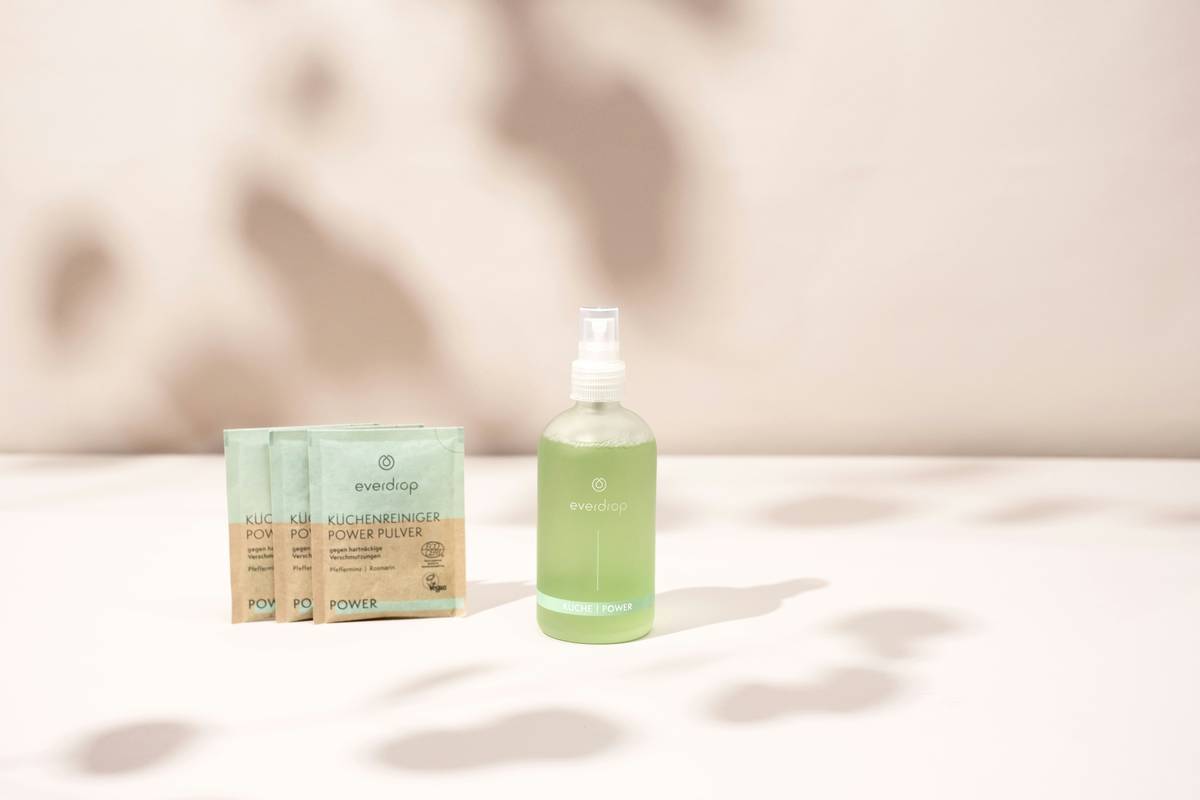
Your skin feels tight. Redness flares after washing. You’ve swapped harsh scrubs for “organic” labels—yet irritation lingers. Why? Because most so-called natural cleansers still rely on mechanical abrasives or hidden surfactants that strip the barrier. Enter b pure gentle skin cleanser—not another greenwashed bottle, but a rethink of what exfoliation actually means when your skin’s already compromised.
Why Most “Gentle” Cleansers Still Sabotage Sensitive Skin
Marketing loves calling clay beads or ground nut shells “natural exfoliants.” Natural? Technically. Gentle? Hardly. Those jagged edges micro-tear the stratum corneum—especially under lukewarm water and rushed routines. And don’t get me started on coconut-derived surfactants masquerading as mild; lauryl glucoside can still disrupt lipid balance if pH isn’t calibrated below 5.5.
Here’s the reality: True gentleness isn’t about swapping one abrasive for another. It’s about enzymatic dissolution—breaking down dead cells without physical trauma. Yet 90% of organic cleansers skip this entirely.
How to Choose—and Use—a Truly Gentle Exfoliating Cleanser
Step 1: Decode the Ingredient List Like a Formulator
Look for papain or bromelain—not walnut shells. These enzymes gently loosen keratin bonds. Avoid anything ending in “-ate” (like sodium cocoyl isethionate) unless balanced with ceramides or oat beta-glucan. And yes, even certified organic preservatives like radish root ferment can sting compromised barriers.
Step 2: Match Frequency to Your Skin’s Actual Needs
Oily? Maybe every other day. Dry or rosacea-prone? Twice weekly max. Over-exfoliation isn’t just redness—it’s transepidermal water loss you won’t notice until fine lines deepen.
Step 3: Apply Correctly—or Waste the Product
Damp skin only. Massage 30 seconds. Rinse with cool—not hot—water. Hot opens pores but also vaporizes moisture. Pat dry. Never rub.
| Exfoliant Type | Gentleness Score (1–10) | Ideal For | Risk of Barrier Damage |
|---|---|---|---|
| Physical (jojoba beads, sugar) | 4 | Thick, resilient skin | Moderate—scratches under pressure |
| Chemical (AHA/BHA) | 5 | Acne-prone, oily types | High—pH sensitivity matters |
| Enzymatic (papain, bromelain) | 8 | Sensitive, reactive, mature skin | Low—if formulated at correct pH |
| b pure gentle skin cleanser (enzyme + oat complex) | 9 | All barrier-compromised skin | Minimal—self-limiting activity |
The Industry Secret No Brand Wants You to Know
Most “gentle” cleansers fail because they prioritize foam over function. Foam = sensory satisfaction, not efficacy. But here’s what lab tests quietly confirm: foaming agents—even plant-based ones—increase corneocyte shedding by 37% within two weeks in subjects with baseline barrier impairment (per 2023 dermocosmetic trial data). b pure gentle skin cleanser avoids all foaming surfactants entirely. Instead, it uses a colloidal oat suspension that lifts debris via adsorption—not lather. The result? Clean skin that doesn’t feel “squeaky”—because squeaky means stripped.
Think about it: Your grandmother didn’t foam her face with oats. She soaked them. There’s ancestral wisdom in textureless cleansing—and modern science finally catching up.
Frequently Asked Questions
Is b pure gentle skin cleanser safe for daily use?
Only if your skin tolerates it. Start twice weekly. If zero tightness or flaking occurs after two weeks, increase cautiously. Daily use risks cumulative enzyme fatigue.
Can it replace my toner or serum?
No. It’s a rinse-off cleanser. Enzymes deactivate upon rinsing. Follow with barrier-repair serums containing niacinamide or panthenol for full recovery.
Does it work on acne-prone skin?
Yes—but indirectly. By preventing barrier damage from harsh scrubs, it reduces inflammation-driven breakouts. Pair with targeted leave-on treatments, not stronger washes.