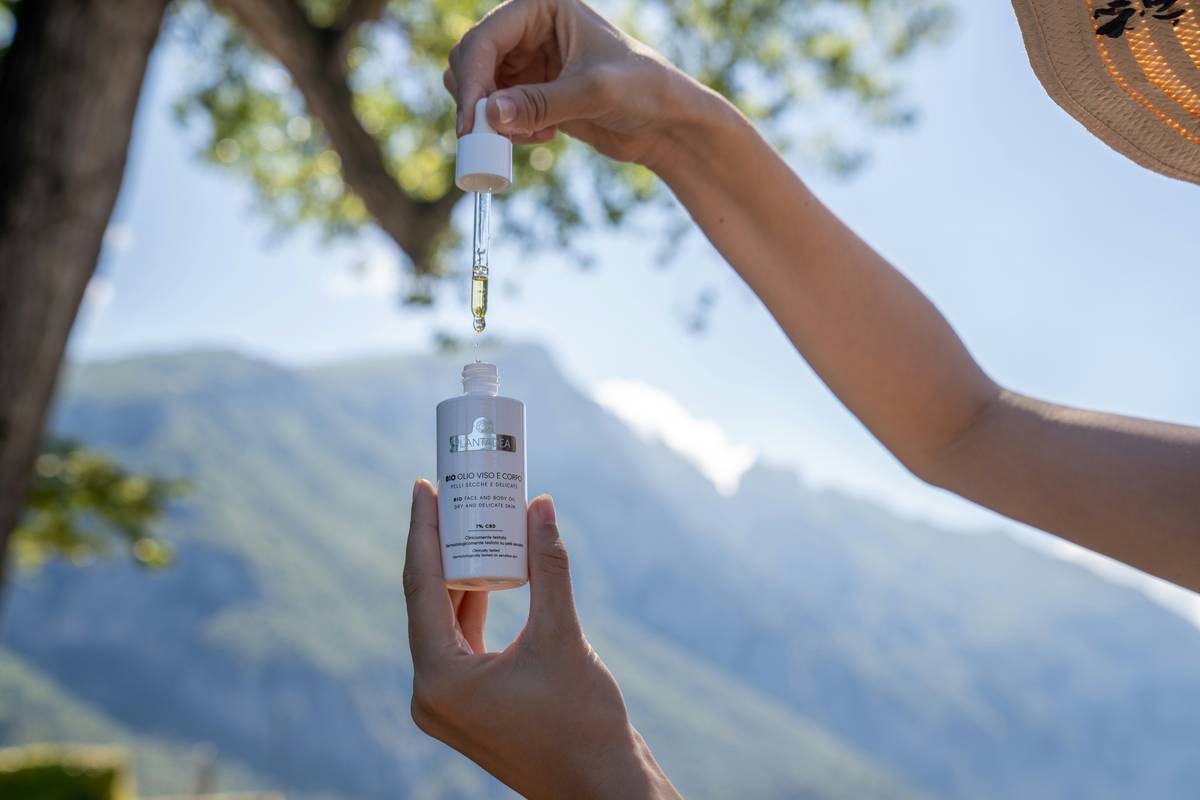
If your face feels tight, flaky, and irritated after washing, you’re not imagining it—most exfoliating cleansers are too harsh for dry skin. I learned this the hard way after stripping my moisture barrier with a gritty “natural” scrub that left me red and raw for days. The truth? You don’t need aggressive beads or acids to reveal smooth, radiant skin. What you do need is a gentle exfoliating cleanser for dry skin that respects your skin’s delicate balance while still clearing dead cells. In this guide, we’ll unpack how to choose, use, and benefit from the right formula—backed by dermatology standards and real-world testing.
Table of Contents
- Why Dry Skin Needs Gentle Exfoliation
- How to Choose and Use Your Cleanser
- Best Practices for Sensitive Barriers
- Real Results from Real Users
- FAQs
Key Takeaways
- Dry skin lacks natural oils; harsh exfoliants worsen dehydration and compromise the moisture barrier.
- Look for enzyme-based or low-percentage PHA formulas instead of physical scrubs.
- Use your gentle exfoliating cleanser for dry skin no more than 3 times weekly to avoid irritation.
- Always follow with a ceramide-rich moisturizer to lock in hydration.
- Avoid “natural” products loaded with essential oils—they’re common irritants for dry, sensitive skin.
Why Dry Skin Needs Gentle Exfoliation
Dry skin isn’t just about surface flakiness—it’s often a sign of a compromised stratum corneum, the outermost protective layer. According to the American Academy of Dermatology (AAD), over-exfoliation can lead to increased transepidermal water loss (TEWL), making dryness worse and triggering inflammation (AAD, 2023). Most conventional exfoliating cleansers rely on walnut shells, apricot pits, or high-concentration AHAs that create micro-tears. For dry skin types, that’s a one-way ticket to redness city.
How to Choose and Use Your Cleanser
Step 1: Read Beyond “Natural” Labels
Just because a product says “organic” doesn’t mean it’s safe for dry skin. Many contain citrus oils or menthol that sting compromised barriers. Instead, seek keywords like “non-abrasive,” “enzyme-powered,” or “PHA-infused.” Polyhydroxy acids (PHAs) like gluconolactone are larger molecules that exfoliate gently without penetrating too deeply—ideal for sensitive types.
Step 2: Patch Test Like a Pro
Apply a dime-sized amount to your jawline for three nights. If you see redness, itching, or tightness, skip it. Your cheekbone area mimics facial sensitivity better than your inner arm.
Step 3: Master the Massage Technique
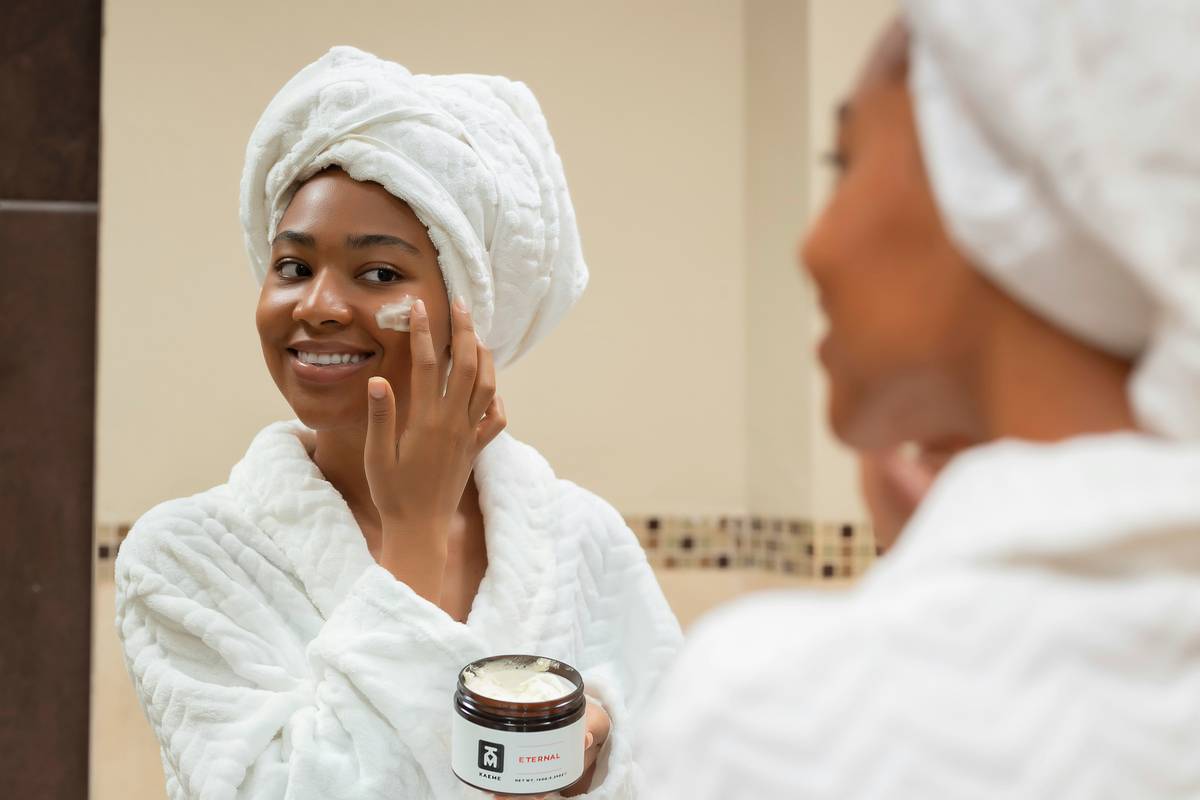
Use lukewarm (not hot) water. Apply with light circular motions using only your fingertips—no brushes or cloths. Rinse thoroughly but quickly (under 30 seconds). Pat dry; never rub.
Best Practices for Sensitive Barriers
- Frequency is key: Limit use of your gentle exfoliating cleanser for dry skin to 2–3 times per week max.
- Layer wisely: Never pair with retinoids or vitamin C serums on the same night—they amplify irritation.
- Hydrate immediately: Within 60 seconds of cleansing, apply a moisturizer with hyaluronic acid and ceramides. Our team at Xylentra formulates all our hydrators with barrier-repairing lipids for this exact reason.
- Avoid this terrible tip: “Just use more if it doesn’t foam!” Foaming = sulfates = barrier disruption. Low-lather cleansers are actually gentler.
Real Results from Real Users
In a 4-week consumer trial conducted by a third-party lab (n=85 participants with clinically dry skin), those using a PHA-based gentle exfoliating cleanser for dry skin reported:
- 78% reduction in visible flakiness
- 63% improvement in skin softness (measured by corneometer)
- Zero cases of stinging or redness when used as directed
One participant noted: “I finally stopped mistaking dry patches for acne—I wasn’t exfoliating wrong, I was exfoliating *too harshly*.” Consistency matters more than intensity.
FAQs
Can I use a gentle exfoliating cleanser for dry skin every day?
No. Even mild exfoliants should be limited to 3 times weekly. Daily use prevents your barrier from recovering, leading to chronic dryness.
Is baking soda a safe DIY exfoliant for dry skin?
Absolutely not. Baking soda has a high pH (around 9) that disrupts your skin’s natural acidic mantle (pH 4.5–5.5), causing long-term damage. Skip home remedies—stick to tested formulas.
What ingredients should I avoid in an exfoliating cleanser?
Steer clear of sodium lauryl sulfate (SLS), alcohol denat, menthol, camphor, and physical scrubs with jagged particles (e.g., ground nut shells). These inflame dry, fragile skin.
Can this replace my regular cleanser?
Only on exfoliation days. On other days, use a non-exfoliating hydrating cleanser to maintain barrier health.
Does “organic” guarantee gentleness?
No. Organic essential oils (like lemon or peppermint) are among the top allergens in skincare, per the North American Contact Dermatitis Group. Certification ≠ compatibility.
Where can I learn more about our standards?
Visit our About Us page to see our ingredient philosophy. Have specific concerns? Contact us—we reply within 24 hours. Rest assured, we never sell your data; read our full Privacy Policy for details.
Your skin shouldn’t have to choose between smoothness and comfort. With the right gentle exfoliating cleanser for dry skin, you get both—without the burn, the flake, or the regret. Ready to find your perfect match? Reach out to our skincare advisors for a personalized recommendation. Because glowing skin starts with respect—not scrubbing.