Your skin feels tight. Itchy. Maybe even breaking out—despite washing twice a day with that “gentle,” “natural” face wash from the drugstore. You followed the advice. You avoided sulfates. Yet your barrier’s compromised, your pores are clogged, and your glow? Gone. Here’s the hard truth: most products labeled “organic cleanser for face” aren’t truly clean. They’re greenwashed cocktails hiding irritants behind botanical buzzwords. But real purity exists—and it works differently than you think.
Why Your “Natural” Face Wash Is Sabotaging Your Skin
“Natural” isn’t regulated. At all. A brand can splash “organic” on the front while packing in denatured alcohol, synthetic fragrances, or high-pH surfactants that strip your acid mantle. And guess what? Your skin pays the price. Micro-tears form. Inflammation spikes. The microbiome collapses. You’re not cleansing—you’re eroding.
Conventional cleansers—even “sulfate-free” ones—often rely on coconut-derived surfactants like sodium cocoyl isethionate. Sounds harmless? It’s still alkaline. It disrupts pH balance. Over time, that equals redness, dehydration, and accelerated aging.
How to Choose & Use an organic cleanser for face That Actually Works
Forget foam. Real cleansing shouldn’t lather like dish soap. Effective organic face washing hinges on three principles: pH alignment, non-stripping surfactants, and active botanicals that nourish while they purify.
Step 1: Decode the Ingredient List Like a Formulator
If water (aqua) is first, and your second ingredient ends in “-sulfate” or “-eth” (like laureth-4), walk away. True organic cleansers use mild, plant-based emulsifiers—think decyl glucoside or coco-glucoside—derived from corn or coconut but processed without ethoxylation. Bonus if it includes prebiotic fibers like inulin or postbiotic ferment filtrates.
Step 2: Match Cleanser Texture to Your Skin’s Current State
Oily? A light gel with willow bark extract. Dry? A balm-to-milk with jojoba oil and calendula. Sensitive? Creamy textures with oat beta-glucan. Your skin changes daily—so should your cleanse.
Step 3: Technique Matters More Than You Think
Massage for 60 seconds—not 10. Use lukewarm water, never hot. Rinse thoroughly but gently. Pat dry. Don’t rub. This isn’t hygiene—it’s skincare ritual.
| Cleanser Type | Ideal For | Key Organic Ingredients | Avoid If… |
|---|---|---|---|
| Balm-to-Oil | Dry, mature, or sensitive skin | Jojoba oil, shea butter, rosehip CO2 extract | You have severe acne (can trap debris if not emulsified properly) |
| Gel Cleanser | Oily, acne-prone, or combination skin | Aloe vera, tea tree hydrosol, niacinamide (plant-derived) | Your skin flakes or stings post-wash |
| Cream Cleanser | Reactive, rosacea-prone, or barrier-damaged skin | Oat kernel oil, chamomile CO2, squalane (olive-derived) | You live in high humidity (may feel heavy) |
The Industry Secret: Most “Organic” Brands Still Use Synthetic Preservatives
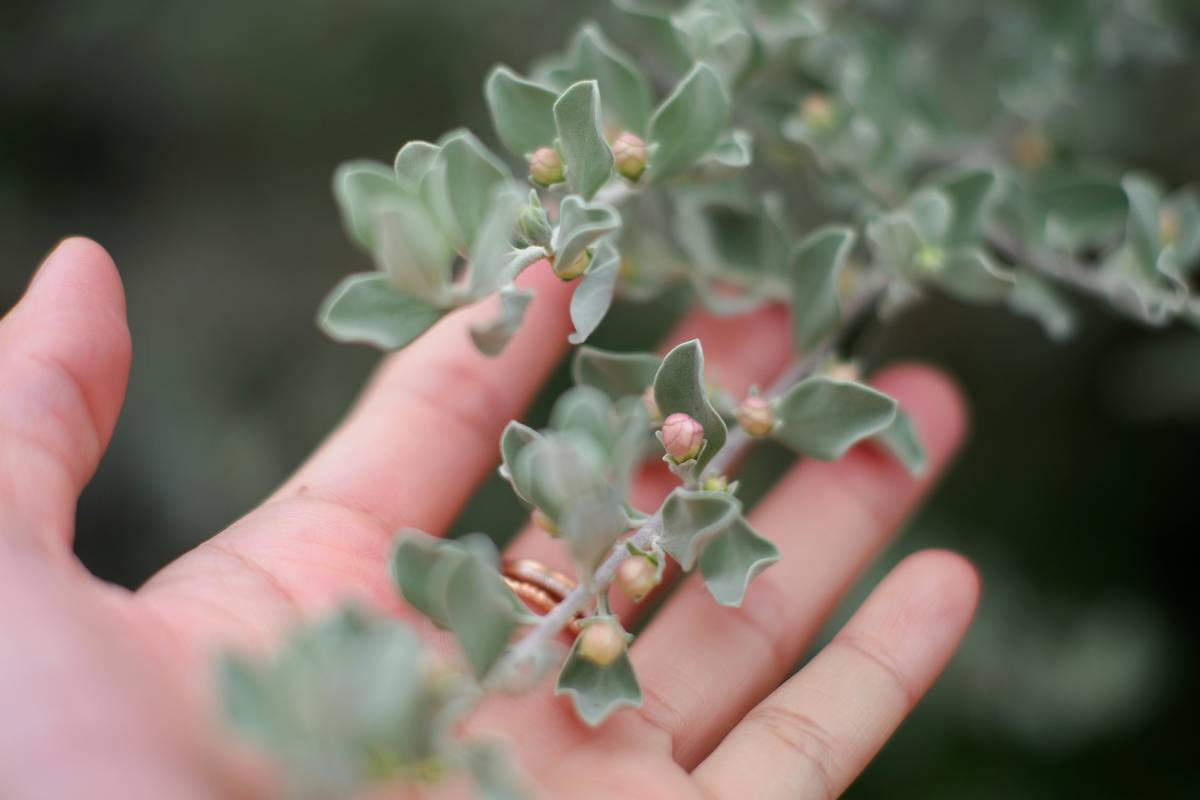
Here’s what nobody admits: even certified organic cleansers often contain potassium sorbate or sodium benzoate—synthetic preservatives permitted under loose organic standards. They’re cheap. They prevent mold. But they can sensitize skin over time. The real pioneers? Brands using radish root ferment filtrate (Leucidal®) or rosemary CO2 extract as natural preservation systems. These cost 3x more—but they don’t compromise skin integrity. Ask your brand: “What’s your preservative system?” If they hesitate, switch.
Frequently Asked Questions
Is organic cleanser for face better than regular face wash?
Not automatically. “Organic” only matters if the formula avoids high-pH surfactants, synthetic fragrances, and drying alcohols. A well-formulated non-certified cleanser can outperform a poorly made organic one.
Can I use an organic face cleanser every day?
Yes—if it’s pH-balanced (4.5–5.5) and non-foaming. Over-cleansing happens due to harsh ingredients, not frequency. Listen to your skin: if it feels tight or squeaky, you’ve stripped too much.
Do organic cleansers remove makeup effectively?
Oil-based or balm organic cleansers excel at dissolving sunscreen and makeup. Gel or cream types may require a double cleanse—first with oil, then with water-based organic cleanser for face.