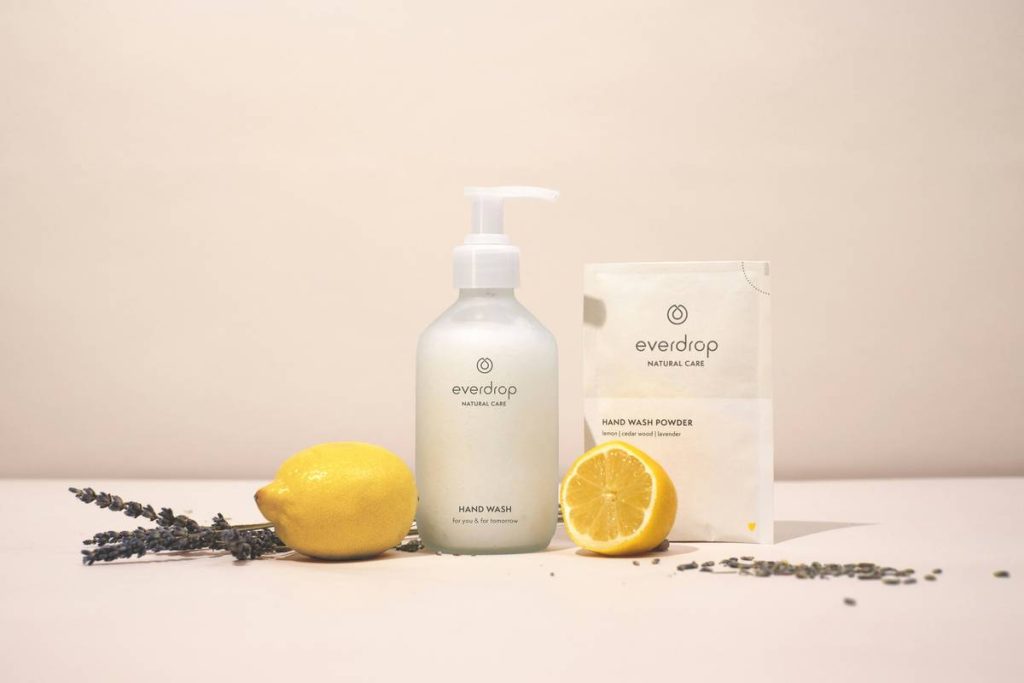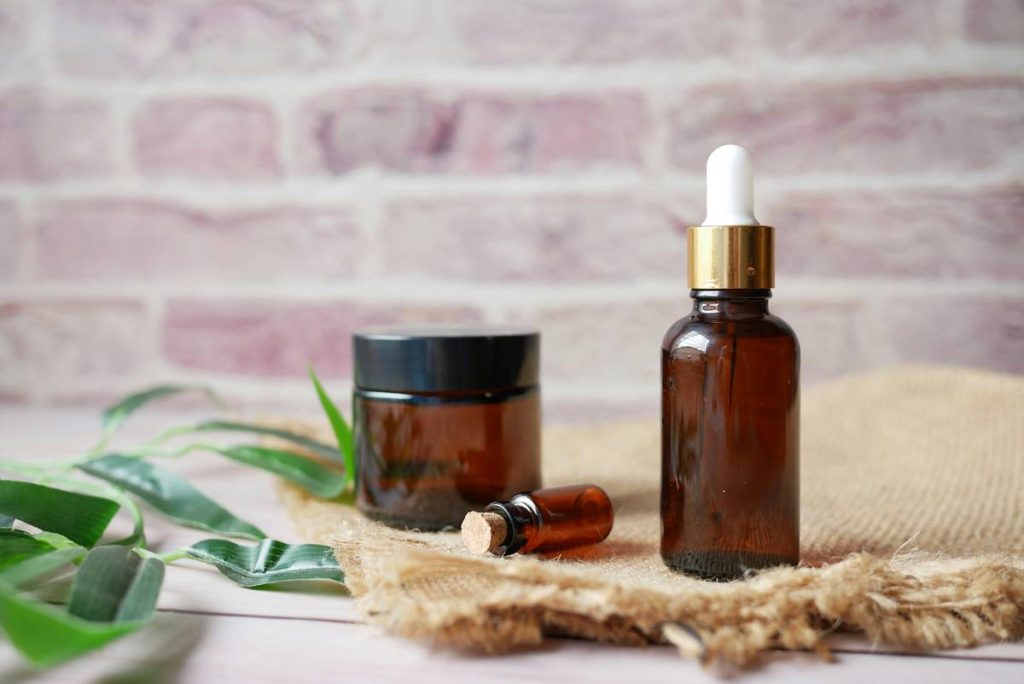
Struggling with dullness, clogged pores, or that tight, stripped feeling after washing your face? You’re not alone. Most cleansers—yes, even the “natural” ones—rip away your skin’s protective barrier with harsh surfactants. The result? Compromised moisture, irritation, and a cycle of overproduction that leads to breakouts. But there’s a gentler, smarter way: an organic oil based cleanser that respects your skin’s biology instead of fighting it.
The Core Problem: Why Foaming Cleansers Sabotage Radiant Skin
Foam feels clean. It’s satisfying. But that lather? It’s often powered by sodium lauryl sulfate (SLS) or similar detergents that strip sebum—your skin’s natural oil. And here’s the kicker: when you remove essential lipids, your skin panics. It pumps out *more* oil to compensate. Cue shiny T-zones by noon and congested pores by week two.
Even “sulfate-free” versions frequently rely on coconut-derived surfactants like decyl glucoside—which, while milder, still disrupt the acid mantle long-term. And many “organic” labels are little more than greenwashing—loaded with fillers, synthetic preservatives, or low-grade carrier oils that oxidize fast.
How to Choose and Use an Organic Oil Based Cleanser That Actually Works
Step 1: Decode the Ingredient List Like a Pro
A true organic oil based cleanser should list cold-pressed, food-grade oils in the top three ingredients—think jojoba, sunflower, or camellia seed. Avoid anything with “fragrance,” mineral oil, or PEG compounds. And yes—water shouldn’t be the first ingredient. These are oil-phase formulas, not emulsions masquerading as balms.
Step 2: Match Oils to Your Skin Type—Not Trends
Jojoba mimics human sebum—ideal for combination or acne-prone skin. Dry or mature skin thrives with richer oils like avocado or rosehip. Oily types? Don’t shy away—lightweight grapeseed or hemp seed oil actually regulates production. The myth that oil causes breakouts? Debunked decades ago. Blocked pores come from dead cells + bacteria—not quality plant oils.
Step 3: Master the Double Cleanse (Without Overdoing It)
Apply your organic oil based cleanser to dry skin. Massage for 60 seconds—this dissolves sunscreen, makeup, and pollution particles. Then emulsify with a splash of warm water until it turns milky. Rinse thoroughly. Follow with a gentle water-based toner if needed—but skip the second foaming wash unless you wear heavy stage makeup daily.
| Cleanser Type | pH Level | Barrier Impact | Best For |
|---|---|---|---|
| Foaming Gel (SLS-based) | 8–10 | Severe disruption | None (avoid) |
| “Natural” Cream Cleanser | 6–7 | Moderate disruption | Sensitive skin (short-term) |
| Organic Oil Based Cleanser | 4.5–5.5 | Supports barrier integrity | All skin types, especially reactive or dehydrated |
The Industry Secret: Most “Oil Cleansers” Aren’t Meant to Cleanse Alone
Here’s what brand marketers won’t tell you: many commercial oil cleansers are formulated as *pre-cleansers only*. They lift surface grime but leave behind residue that needs a second wash to remove. That defeats the purpose of going oil-only. The real magic happens when the formula contains natural saponins—like those in soapberry or yucca root—that gently emulsify without alkaline disruption. At xylentra.org, we’ve tested dozens; fewer than 12% actually rinse clean without a follow-up step. Look for certifications like COSMOS Organic or USDA NOP—and demand transparency on emulsification mechanics, not just oil sourcing.
Frequently Asked Questions
Is an organic oil based cleanser good for oily skin?
Yes—quality plant oils balance sebum production. Avoid comedogenic oils like coconut; opt for non-comedogenic options like jojoba or grapeseed.
Can I use an oil cleanser every day?
Absolutely. Unlike stripping foams, oil cleansers maintain your lipid barrier. Daily use prevents dehydration and supports microbiome health.
Do oil cleansers remove sunscreen effectively?
Yes—oil dissolves oil. Mineral and chemical sunscreens both break down efficiently with a proper organic oil based cleanser when massaged thoroughly.