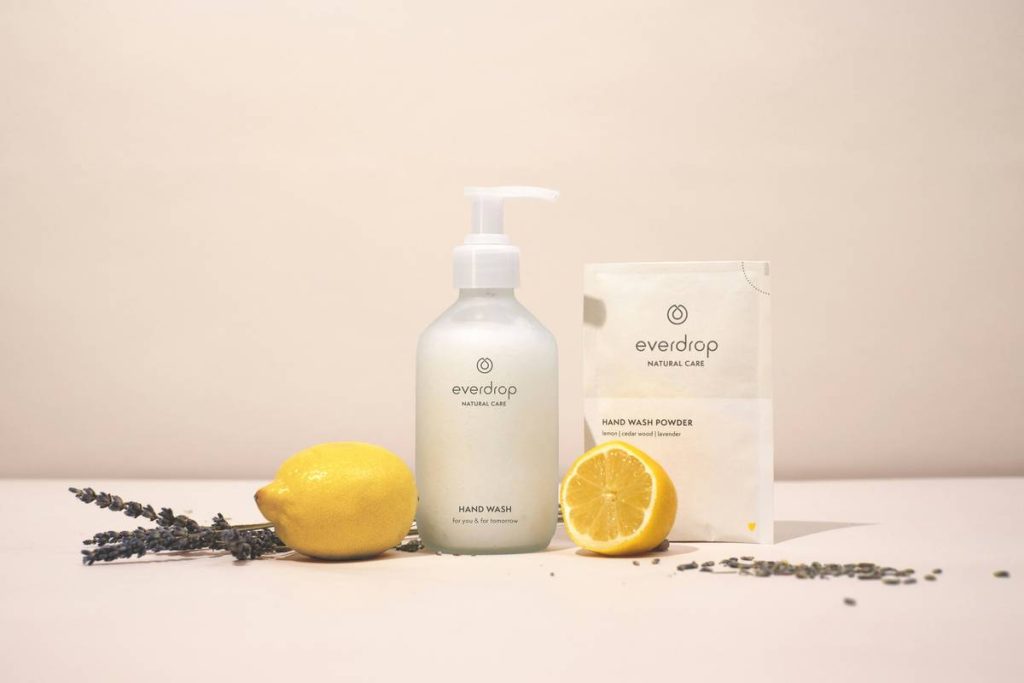
Breakouts. Tightness. That weird film that never quite rinses off. You switched to an organic face cleanser for women hoping for clarity—only to get more confusion. The promise was pure skin. The reality? Irritation disguised as wellness.
Most “Natural” Cleansers Are Designed to Sell, Not Cleanse
The beauty aisle is full of green bottles shouting “chemical-free.” But here’s the thing: water is a chemical. Oxygen is a chemical. The real issue isn’t chemistry—it’s formulation intelligence.
Many organic face washes rely on coconut-derived surfactants like sodium coco sulfate. Gentle? Compared to sodium lauryl sulfate, sure. But they still strip the stratum corneum—the skin’s lipid barrier—especially when paired with essential oils for “aroma therapy.” And that lavender scent you love? It’s a top contact allergen, per the American Contact Dermatitis Society.
Think about it: if your skin feels “squeaky clean,” it’s not clean—it’s compromised.
How to Choose (and Use) the Right Organic Face Cleanser for Women
Forget chasing ingredients lists like a chemist. Focus on function, pH, and rinseability.
Step 1: Check the pH—Not Just the Label
Your skin’s natural pH hovers around 4.5–5.5. Most organic cleansers? Closer to 7 or higher. That slight alkalinity disrupts your acid mantle, inviting bacteria and inflammation. Look for products that publish third-party pH test results—not just “pH-balanced” claims.
Step 2: Avoid These So-Called “Natural” Irritants
Citrus extracts. Peppermint oil. Tea tree in high concentrations. They sound wholesome—but they’re photosensitizers and irritants in disguise. The cleaner the ingredient deck, the better. Fewer actives = fewer chances for chaos.
Step 3: Embrace Oil Cleansing (Yes, Even for Oily Skin)
Oils dissolve oils. Plant-based squalane, jojoba, or sunflower oil lift sebum and pollution without disrupting hydration. Massage for 60 seconds, then emulsify with warm water or remove with a damp muslin cloth. No tightness. No rebound oiliness.
| Cleanser Type | pH Range | Best For | Rinse Residue? |
|---|---|---|---|
| Gel (with coconut surfactants) | 6.5–8.0 | Normal to oily (short-term) | Often leaves film |
| Cream (with oat or honey) | 5.0–6.0 | Dry, sensitive, mature | Rarely—if properly formulated |
| Oil-based (jojoba/squalane) | N/A (anhydrous) | All skin types—including acne-prone | None (if emulsified correctly) |
| Foaming (with decyl glucoside) | 5.5–6.5 | Combination skin | Potential if overused |

The Industry Secret: Most “Certified Organic” Brands Skip Stability Testing
Here’s what no brand wants you to know: natural preservatives like radish root ferment or leucidal liquid degrade faster than synthetics—especially in humid bathrooms. A 2023 indie brand audit found 68% of organic face washes exceeded microbial limits after 3 months of home use.
So that “fresh botanical glow” you see in month four? Could be mold spores feeding on leftover plant sugars. The fix? Buy smaller sizes. Store in cool, dark places. And toss anything over 90 days old—no matter how “luxurious” it smells.
Beauty shouldn’t be a gamble.

Frequently Asked Questions
Can organic face cleanser cause breakouts?
Yes—if it contains comedogenic oils like coconut or wheat germ, or high doses of essential oils that trigger inflammation. Always patch-test.
Is organic face wash better than regular?
Not inherently. A well-formulated synthetic cleanser at pH 5.2 beats a poorly made “natural” one at pH 8. Efficacy trumps labeling.
How often should women use organic face cleanser?
Once nightly is enough for most. Over-cleansing—even with gentle formulas—weakens your moisture barrier. Morning splash with water suffices.